
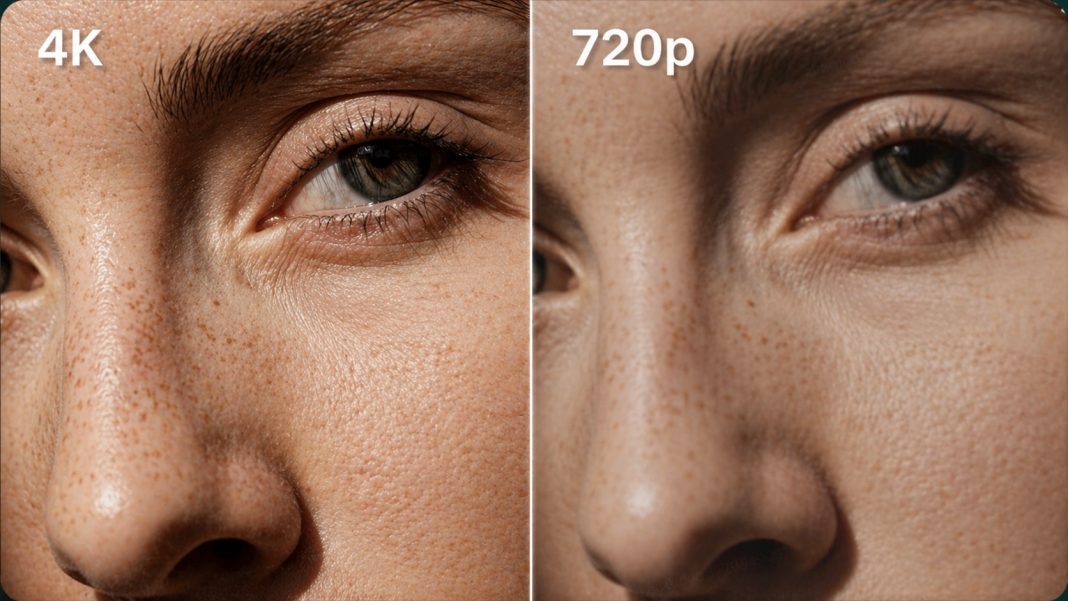
Kling has added native 4K output to its 3.0 video model series, becoming the first foundation video model to generate 3840×2160 directly rather than upscaling from lower-resolution outputs. The capability is live now across the 3.0 line.
The distinction matters because every other major AI video model, including Sora, Runway, and Veo, currently relies on upscaling to reach 4K. That approach can introduce visual artefacts and adds a finishing step to the workflow. Kling’s native 4K generates every pixel at full resolution from the start, which the company says holds up better on close-up shots, fine textures, and detailed product work.
Kling cites two production credits to support the launch. The Chinese period drama Swords Into Plowshares used the model to build territorial maps and to compress a storm-sequence previs from two months to two weeks. House of David season one incorporated 72 AI-assisted shots, with Kling among the tools used. Both are previs and effects-support credits rather than primary photography, but they place Kling closer to professional production pipelines than most of its competitors.
Alongside the launch, Kling has opened a 4K Short Film Creative Contest with a $25,000 prize pool, 70,000 platform credits, and a screening event in South Korea for winning entries. Native 4K output is available now to existing 3.0 users.
For working creators, the practical takeaway is that the upscaling step many have built into their delivery workflow may no longer be necessary for Kling-generated content. For agencies and production companies handling premium ad work, the announcement removes one of the standing objections to AI video in 4K-mandated campaigns. Broadcasters will still need to assess codec, colour space, and HDR support before treating Kling output as mezzanine-ready, but on resolution alone the gap has closed.